Dubia roaches (Blaptica dubia) have quietly become the most recommended feeder insect in the reptile hobby, and for good reason. They are nutritious, easy to keep, and almost impossible to mismanage. Unlike some feeder roaches and crickets, Dubia cannot climb glass or smooth plastic, cannot fly, and do not infest homes in most North American climates. On Favorite Feeders you can compare Dubia listings from independent sellers across the country, sorted by size and price, and have them shipped to your door or picked up locally.
Nutrition and why Dubia roaches stand out
Dubia roaches offer an excellent ratio of protein to fat and a softer exoskeleton than crickets, which means more digestible meat and less indigestible chitin for your animal to process. They are also a strong source of calcium relative to many other feeders, which supports bone health in growing reptiles. Because they move less frantically than crickets, they are easy for slower hunters like geckos and young bearded dragons to catch.
Choosing the right size
Dubia are sold by size, from extra-small nymphs under a quarter inch up to adult males and females. Match the roach to your pet's head width: a good rule of thumb is that the feeder should be no longer than the space between your reptile's eyes. Extra-small and small nymphs suit dart frogs, hatchling geckos, and young lizards; medium and large are staples for juvenile and adult bearded dragons, leopard geckos, and skinks; adults are reserved for large monitors and tegus.
Keeping and breeding Dubia
Keep Dubia in a smooth-sided plastic tub with egg flats for cover. They thrive at 80 to 90 degrees Fahrenheit but will survive at normal room temperature, simply growing more slowly. Provide dry roach chow or unmedicated chick feed and a moisture source such as orange slices, carrots, or water crystals; avoid standing water, which drowns them. Because Dubia are long-lived and breed readily, many keepers start a small colony to supply a single pet indefinitely.
Dubia versus crickets
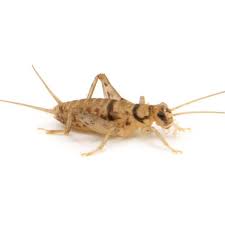
Dubia are quieter, smell less, live longer, and escape less often than crickets. They also do not chew on each other or on your pet when left in the enclosure overnight. The trade-off is price per roach, which is higher than crickets, but because fewer are wasted and none chirp, most keepers find the cost comparable over time.
Shipping and live arrival
Buy from sellers who specify a shipping day and season-appropriate packaging. Dubia tolerate cold better than many feeders but still need a heat pack in winter. Review the seller's live-arrival guarantee on the listing before ordering, and contact them promptly if any roaches arrive dead.