Feeding live insects is the single most important thing you can do to keep insectivorous reptiles, amphibians, and arachnids healthy. Unlike dried or canned alternatives, live feeder insects retain the moisture, movement, and complete nutritional profile that mimics what your pet would hunt in the wild. At Favorite Feeders, we connect you with independent sellers across the country who ship live crickets, roaches, worms, and larvae straight to your door, often the same day they are packed.
Why choose live feeder insects
Live feeders trigger natural hunting behavior. The movement of a cricket or roach encourages even picky eaters to strike, and the act of chasing prey provides essential mental and physical enrichment. Live insects also hold their gut-load, meaning the nutrients from what the feeder ate in the last 24 to 48 hours pass directly to your animal. This makes gut-loading and supplement dusting far more effective than with frozen or freeze-dried options, which lose moisture and some vitamins during processing.
Popular types of live feeder insects
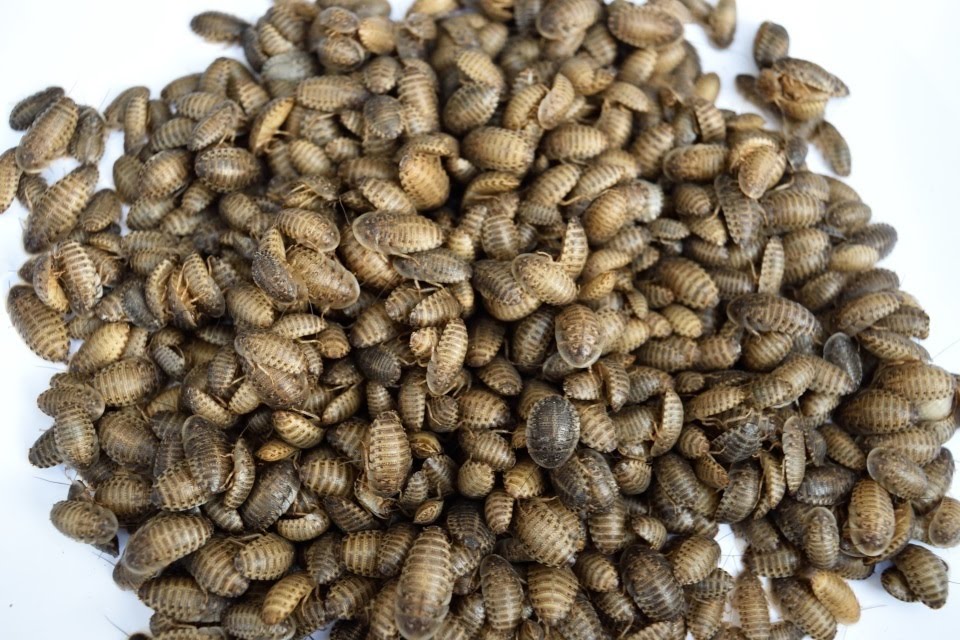
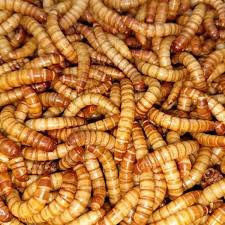
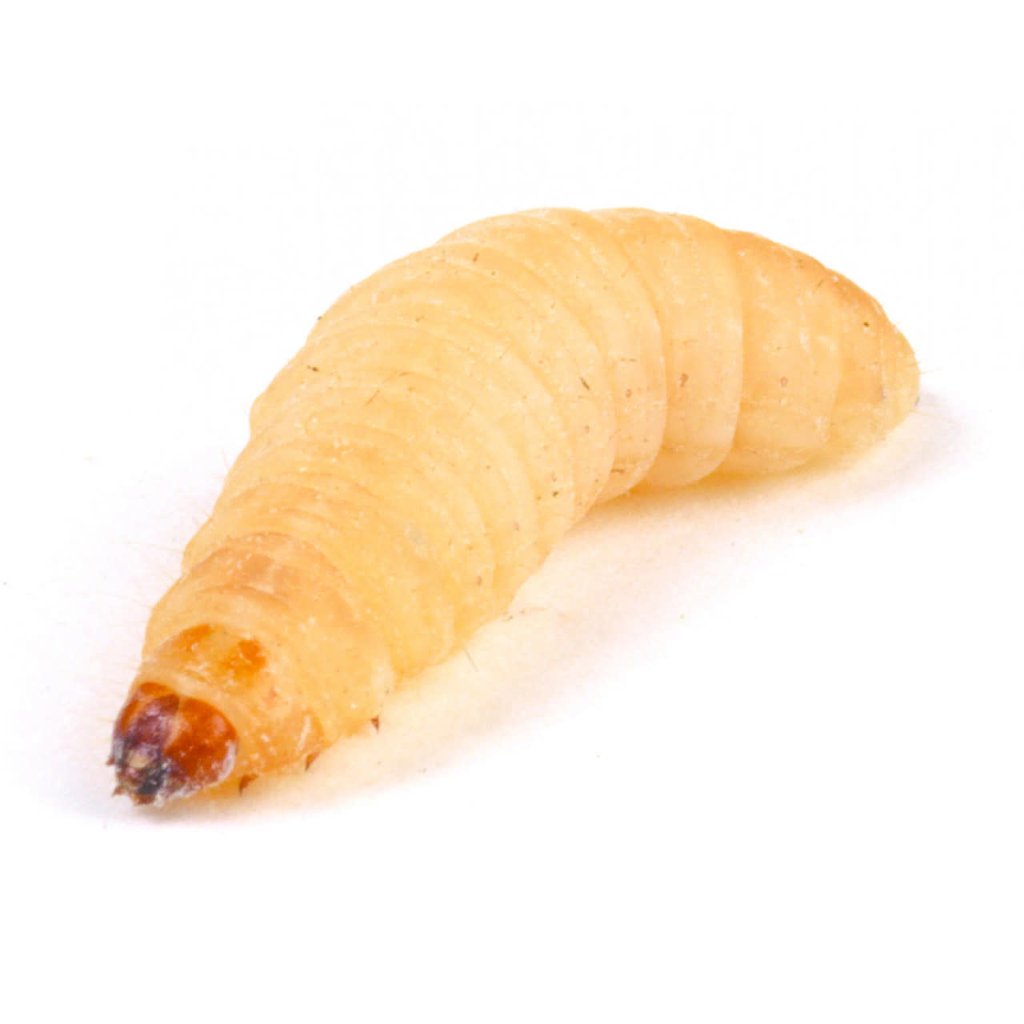
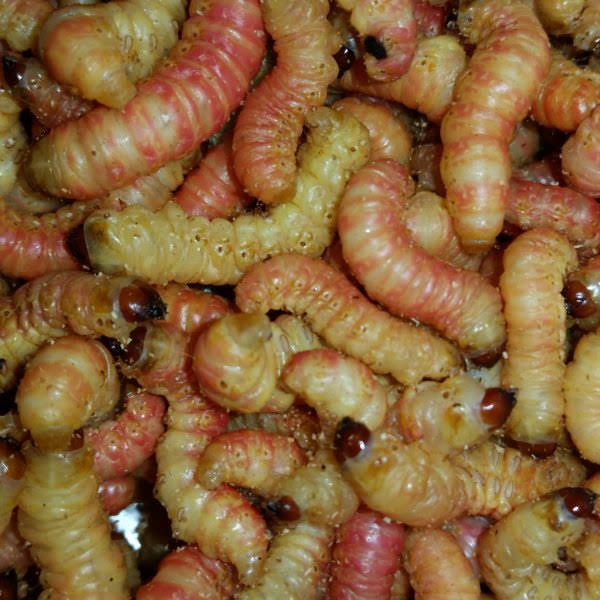
Crickets are the classic staple: affordable, active, and accepted by nearly every insectivore. Dubia roaches have become the gold standard for many keepers because they are high in protein, low in chitin, cannot climb smooth surfaces, and do not infest homes the way some roaches can. Mealworms and superworms are convenient and long-lived, ideal for lizards that like to forage. Waxworms, butterworms, and hornworms are softer-bodied and higher in moisture or calcium, making them excellent supplements, treats, or recovery foods for dehydrated or picky animals.
How to choose the right feeder
Match the feeder to your animal's size and species. A small dart frog needs fruit flies or pinhead crickets; a juvenile bearded dragon does well on small Dubia or medium crickets; a full-grown monitor can tackle large roaches and adult superworms. Rotate at least two or three feeder types so your pet receives a range of amino acids and minerals rather than relying on a single food source. Always dust with a calcium supplement and, a few times a week, a multivitamin containing vitamin D3.
Buying live feeders online
Order from sellers who promise live delivery and ship with appropriate insulation and heat or cold packs for the season. Check the seller's shipping schedule, since most live insect orders ship only on certain days to avoid weekend transit delays. Each listing on Favorite Feeders shows the seller's price, quantity per order, and whether the order ships nationwide or is available for local pickup, so you can compare options before you buy.
Keeping your feeders alive
Most live feeders arrive healthy and will stay that way for weeks with basic care. Keep crickets in a well-ventilated container with egg cartons and a slice of carrot or potato for moisture. Dubia roaches do best at room temperature with dry food and occasional fruit. Mealworms and superworms can be refrigerated to slow their growth, while waxworms should be kept cool but not frozen. Always remove dead insects promptly to prevent the spread of mold.